zlacker

[return to "Birth rates are falling in the Nordics. Are natalist policies no longer enough?"]
1. brtkdo+T5[view] [source] 2024-01-30 16:26:32
>>toomuc+(OP)
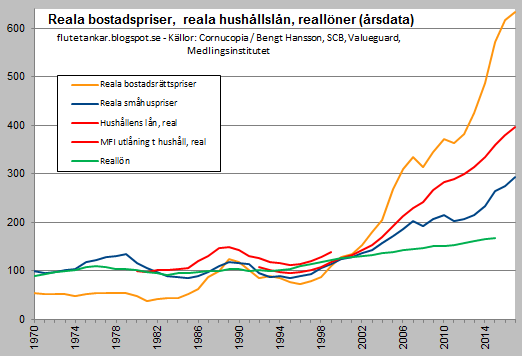
The ratio of housing cost vs real income almost tripled over the last 20 years in Sweden. Add a looming climate crisis and a self-fulfillment-oriented culture and you get very few new babies.
◧◩
2. anonpo+md[view] [source] 2024-01-30 16:58:09
>>brtkdo+T5
Real disposable income in Sweden has increased 50% over the last 20 years.

https://tradingeconomics.com/sweden/the-real-gross-disposabl...

◧◩◪
3. brtkdo+Pd[view] [source] 2024-01-30 17:00:34
>>anonpo+md
Green is disposable income, orange is cost of apartment housing:

https://2.bp.blogspot.com/-tonEuOE0IXE/WfpBpIzy8rI/AAAAAAAAF...

◧◩◪◨
4. anonpo+5f[view] [source] 2024-01-30 17:04:59
>>brtkdo+Pd
So what? Is not disposable income what's left over after you pay your mandatory expenses, like housing?

If real disposable income is rising, then people have more access to non necessary resources than they did before. So, they have more wealth, but are having fewer babies, which is the general trend.

◧◩◪◨⬒
5. brtkdo+Xg[view] [source] 2024-01-30 17:11:59
>>anonpo+5f
> Is not disposable income what's left over after you pay your mandatory expenses, like housing?

No, it’s what’s left after taxes, before any actual spending on things like housing occurs.

> Gross disposable household income is the amount of money that individuals in the household sector can spend or save after income distribution measures.

https://www.ons.gov.uk/economy/regionalaccounts/grossdisposa...
[go to top]