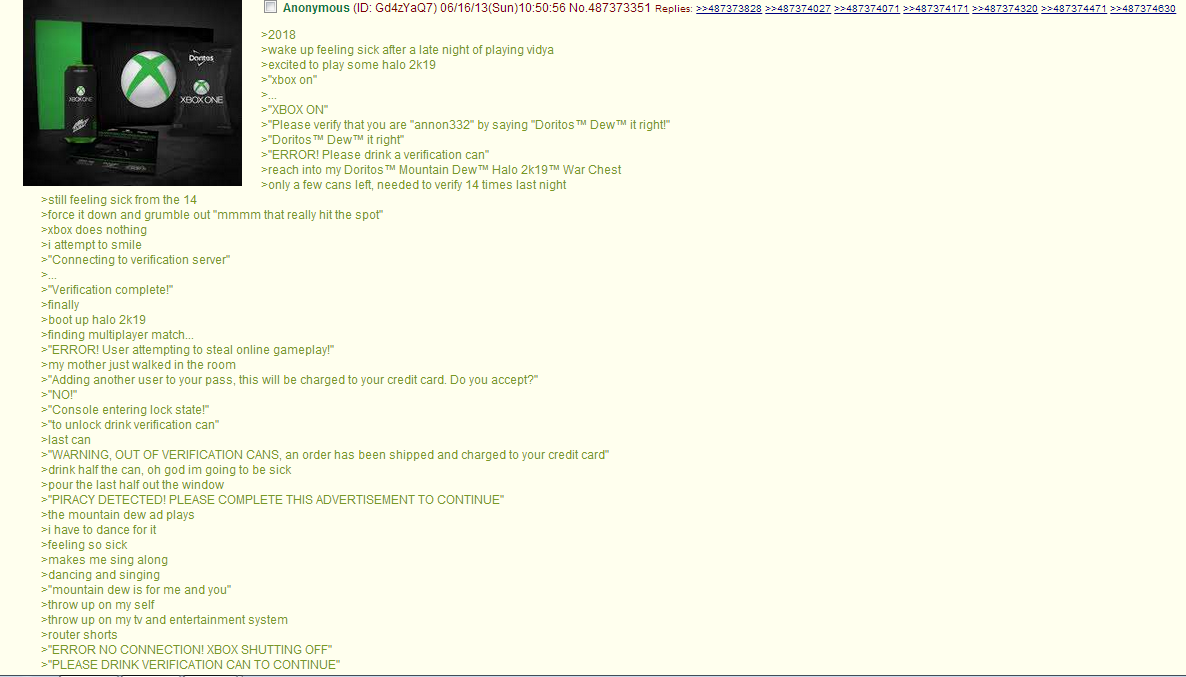
They don't even try to masquerade it.
> Users like visiting websites that are expensive to create and maintain, but they often want or need to do it without paying directly. These websites fund themselves with ads, but the advertisers can only afford to pay for humans to see the ads, rather than robots. This creates a need for human users to prove to websites that they're human, sometimes through tasks like challenges or logins.
I find it quite cute that they start with "users" as if it's a user demand but in the next sentence switch to "advertisers" --- the real target population.
You don't berate a kitchen for serving food, why would you look at any Google contraption from HTTP/3 to Chrome as anything but a vehicle for selling ads and/or mining data?
Some examples of scenarios where users depend on client trust include:
1. Users like visiting websites that are expensive to create and maintain, but they often want or need to do it without paying directly. These websites fund themselves with ads, but the advertisers can only afford to pay for humans to see the ads, rather than robots. This creates a need for human users to prove to websites that they're human, sometimes through tasks like challenges or logins.
2. Users want to know they are interacting with real people on social websites but bad actors often want to promote posts with fake engagement (for example, to promote products, or make a news story seem more important). Websites can only show users what content is popular with real people if websites are able to know the difference between a trusted and untrusted environment.
Not written in item two: And the people paying to promote the posts funding these sites want to know the promotions are landing on real consumers' screens.
Is... is the Verification Can actually going to happen? https://i.kym-cdn.com/photos/images/original/000/983/286/ea5...
As someone who lived in a city fully controlled by organized crime, I can tell you that eventually some people become fanboys of gang-law and start to unironically teach everyone how it’s better and more moral than actual law.