I have one main gripe, though: The scope limitation to tech.
> "Toxic tech cultures are those that demean and devalue you as holistic, multifaceted human beings. Toxic tech cultures are those that prioritize profits and growth over human and societal well being. Toxic tech cultures are those that treat you as replaceable cogs within a system of constant churn and burnout.
This is __not__ a tech specific problem. This is a systemic aspect of labor in an overly-capitalist society. Not bashing capitalism, either. But, spare me the 'woe is me, tech bros are out to get us'. Sure, some are. But these problems exist in every industry; the service industry, Hollywood and film, architecture and construction, finance, etc.
As I said, I think the rest of the article was well written and on-topic. That, though, is trying to paint rice grains with a broom.
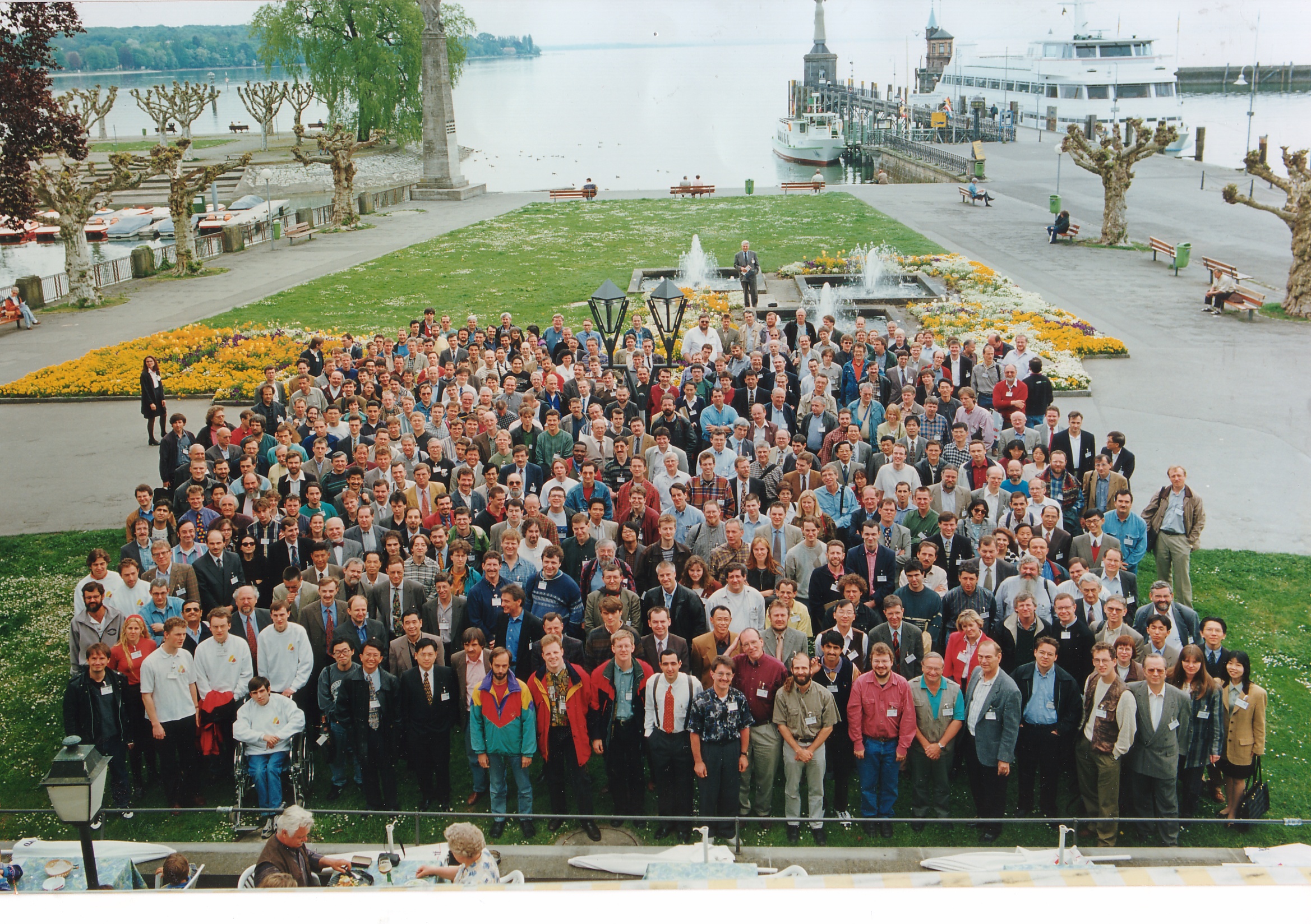
As someone who has spent a lot of time in academic security conferences, I have to wonder what you are comparing them to. The only field with a worse female participation rate in my experience is networking (e.g. SIGCOMM). Check out this picture from EuroCrypt in 97 and count the ratio of women to men. It looks like under 1 in 10 which is worse than general CS enrollment numbers: http://www.crypto-uni.lu/jscoron/misc/euro_97.jpg
Anyway, back to the main point.
>CS is almost uniquely imbalanced.
I agree. However, a 1/4 female/male ratio coming out of CS programs is going to be reflected in the industry and attempting to bring the balance on the industry side to 50/50 is folly while the enrollment balance stays the same.
Clearly something is discouraging women from enrolling at the college level, but I can't fathom how 50/50 quotas are supposed to help solve that problem. Implementing things like Google's "extra interview retries" for minorities just seems to cause division and make it worse for minorities because some people assume they are there for the wrong reason.
Are you aware of programs focusing on getting more women enrolled at the high-school and college level? It seems like it would be significantly more productive as a community to put a significant focus there in terms of resources (money, advocacy, etc).
I know almost nobody that has a problem with improving enrollment numbers of women in CS (equality of opportunity). However, there is a significant chunk of people that have problems with the "white males are over-represented and we need to give everyone else an advantage" approach (equality of outcomes).
What am I missing here? Why are so many resources being poured into something as fundamentally flawed as trying to get equal representation with a supply that doesn't have equal representation?
Have you ever been in a 100-level CS course? Granted, it's been a while for me, but they're generally full of 18-year-olds who lack a certain amount of social grace. IME, most people are pretty okay, but there was a notable minority of people you just don't want to spend time with: annoying, obnoxious kids who feel the constant need to correct everyone around them (including the instructors) to demonstrate how frickin' smart they are, and who don't realize they're also surrounded by other smart people who aren't as annoying and obnoxious. And, IME, many of these people actively make young women uncomfortable with their advances and behavior.
There are still lots of liberal arts schools that are very much gender-segregated (Wellesley, Smith); I can't think of any "women's" tech schools. I wonder what the CS classes and enrollment is like at places that are more-or-less women-only.
Of course it also starts before college enrollment. AP computer science courses in high school have about the same gender ratio (19%). [0] Those would probably contain the same minority you mentioned, a few years younger.
[0] http://www.nytimes.com/2013/03/08/technology/computer-coding...