- OpenAI approached Scarlett last fall, and she refused.
- Two days before the GPT-4o launch, they contacted her agent and asked that she reconsider. (Two days! This means they already had everything they needed to ship the product with Scarlett’s cloned voice.)
- Not receiving a response, OpenAI demos the product anyway, with Sam tweeting “her” in reference to Scarlett’s film.
- When Scarlett’s counsel asked for an explanation of how the “Sky” voice was created, OpenAI yanked the voice from their product line.
Perhaps Sam’s next tweet should read “red-handed”.
That is what matters. OWNERSHIP over her contributions to the world.
If someone licenses an impersonator's voice and it gets very close to the real thing, that feels like an impossible situation for a court to settle and it should probably just be legal (if repugnant).
Because then the actual case would be fairly bizarre: an entirely separate person, selling the rights to their own likeness as they are entitled to do, is being prohibited from doing that by the courts because they sound too much like an already famous person.
EDIT: Also up front I'm not sure you can entirely discuss timelines for changing out technology here. We have voice cloning systems that can do it with as little as 15 seconds of audio. So having a demo reel of what they wanted to do that they could've used on a few days notice isn't unrealistic - and training a model and not using it or releasing it also isn't illegal.
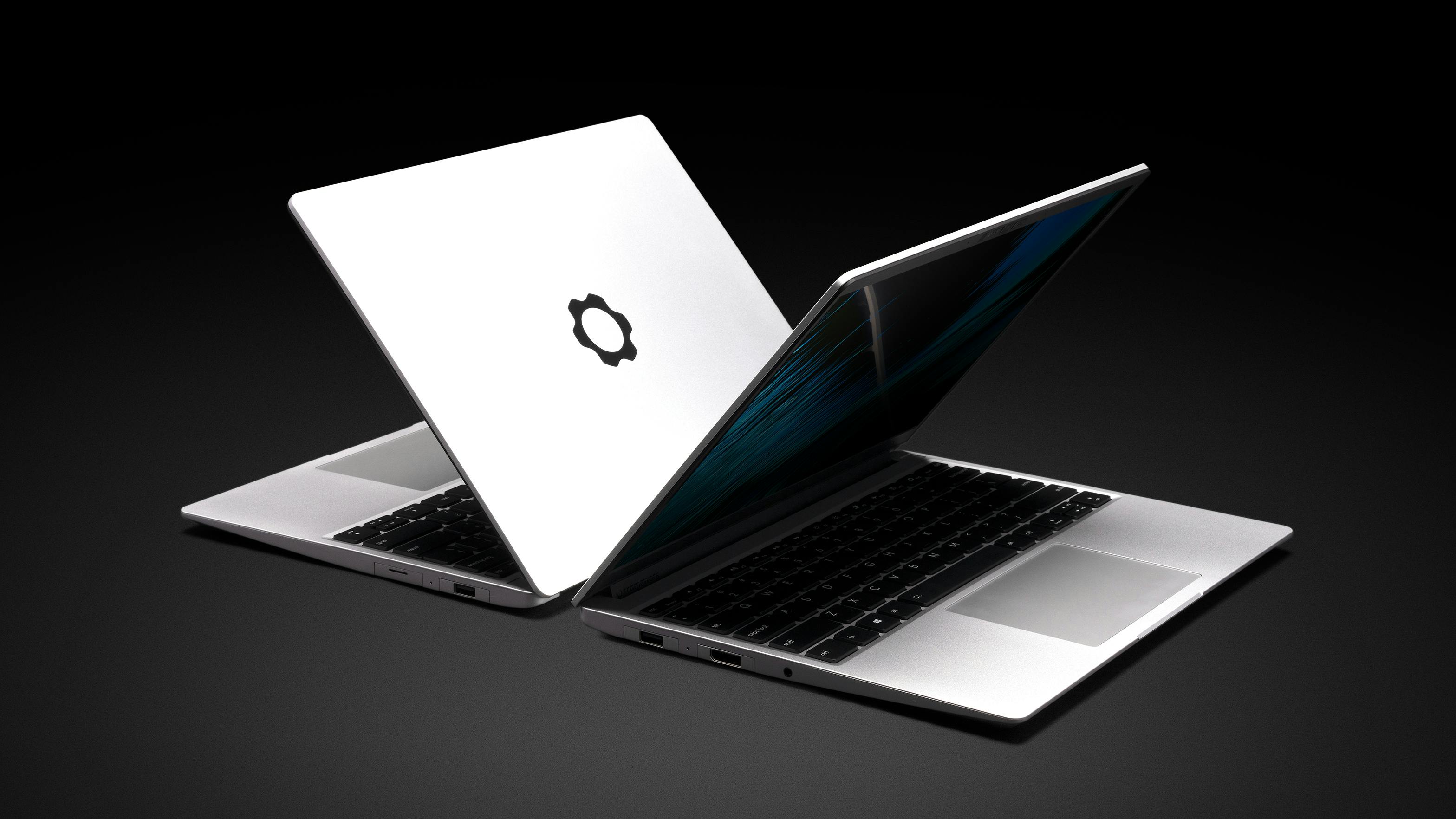
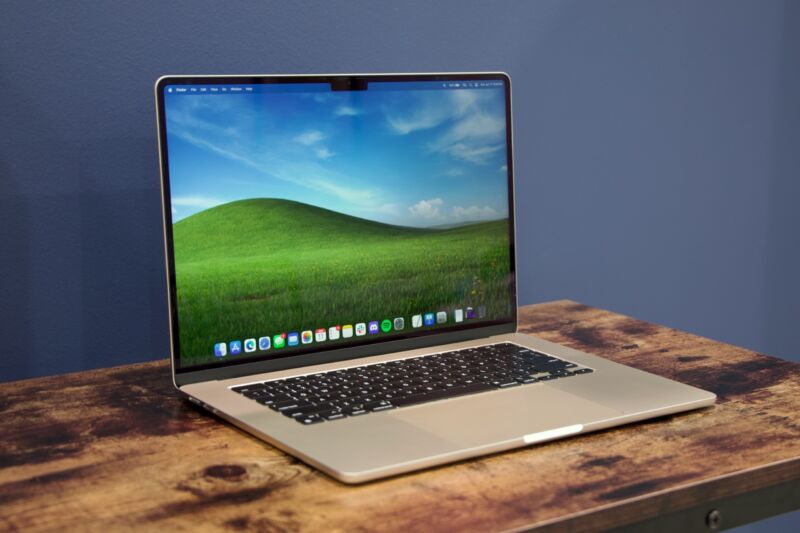
Look kind of similar right? Lot of familiar styling queues? What would take it from "similar" to actual infringement? Well if you slapped an Apple Logo on there, that would do it. Did OpenAI make an actual claim? Did they actually use Scarlett Johannson's public image and voice as sampling for the system?
[1] https://images.prismic.io/frameworkmarketplace/25c9a15f-4374...
[2] https://i.dell.com/is/image/DellContent/content/dam/ss2/prod...
[3] https://cdn.arstechnica.net/wp-content/uploads/2023/06/IMG_1...
The biggest problem on that front (assuming the former is not true) is Altman's tweets, but court-wise that's defensible (though I retract what I had here previously - probably not easily) as a reference to the general concept of the movie.
Because otherwise the situation you have is OpenAI seeking a particular style, hiring someone who can provide it, not trying to pass it off as that person (give or take the Tweet's) and the intended result effectively being: "random voice actress, you sound too much like an already rich and famous person. Good luck having no more work in your profession" - which would be the actual outcome.
The question entirely hinges on, did they include any data at all which includes ScarJo's voice samples in the training. And also whether it actually does sound similar enough - Frito-Lay went down because of intent and similarity. There's the hilarious outcome here that the act of trying to contact ScarJo is the actual problem they had.
EDIT 2: Of note also - to have a case, they actually have to show reputational harm. Of course on that front, the entire problem might also be Altman. Continuing the trend I suppose of billionaires not shutting up on Twitter being the main source of their legal issues.