As an example, some parts of the internet ostracised Brendan Eich for a personal donation he made to support a Californian ballet proposition on same sex marriage; forcing his resignation. There were no complaints about any of his behaviour or actions at Mozilla whatsoever.
That's not a good thing to be doing.
As another example, the recent Stack Overflow changes where a controversial, over-empathsised policy change on respecting pronouns (also pretty much a non-issue, I have never seen pronoun complaints come up on Stack Overflow) has forced multiple community moderator resignations and a widespread community revolt.
These changes are often negatives for the projects involved.
Could you expand on this? My naive impression is that VCs do their best to make hard-nosed expected-value-in-USD estimates, perhaps specifically estimating the likelihood the company will be worth >$100M/$1B or whatever; and that acting like that is probably in their job description because they're investing other people's money who expect a return.
How does the phenomenon you describe fit in? Is there some group of VCs that believe that championing "diversity and inclusion" is likely to lead to 10x growth? Does the company making the pitch make that claim—or, as one reading of your words suggests, claim that not having achieved 10x growth in the past is due to the lack of such championing? Or do VCs face social pressure (from, I dunno, other VCs, journalists who write about them, whoever else they talk with) to make it look like they're funding virtuous causes (er, companies)? Seems like the last is most plausible.
But bear in mind San Francisco is incredibly liberal, SF programmers even more so. Companies based there will make overtures toward diversity & inclusion rhetoric to keep their workforce happy.
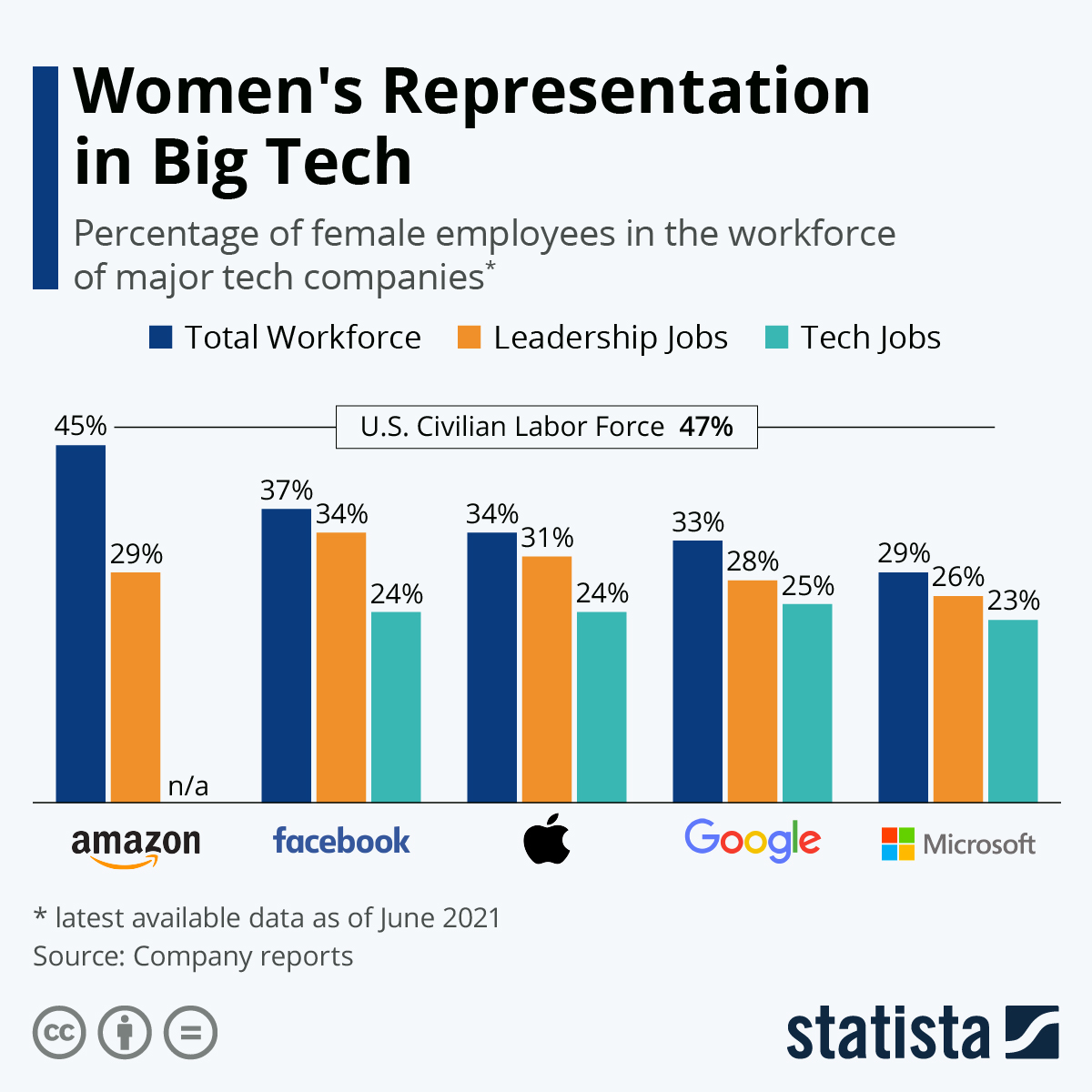
[1] https://cdn.statcdn.com/Infographic/images/normal/4467.jpeg